Dead Men Fight Wars, Too
A corpse, a briefcase, and a fictional Royal Marine helped convince Nazi Germany that Sicily was a diversion. Operation Mincemeat remains one of World War II’s strangest and most brilliant acts of deception.
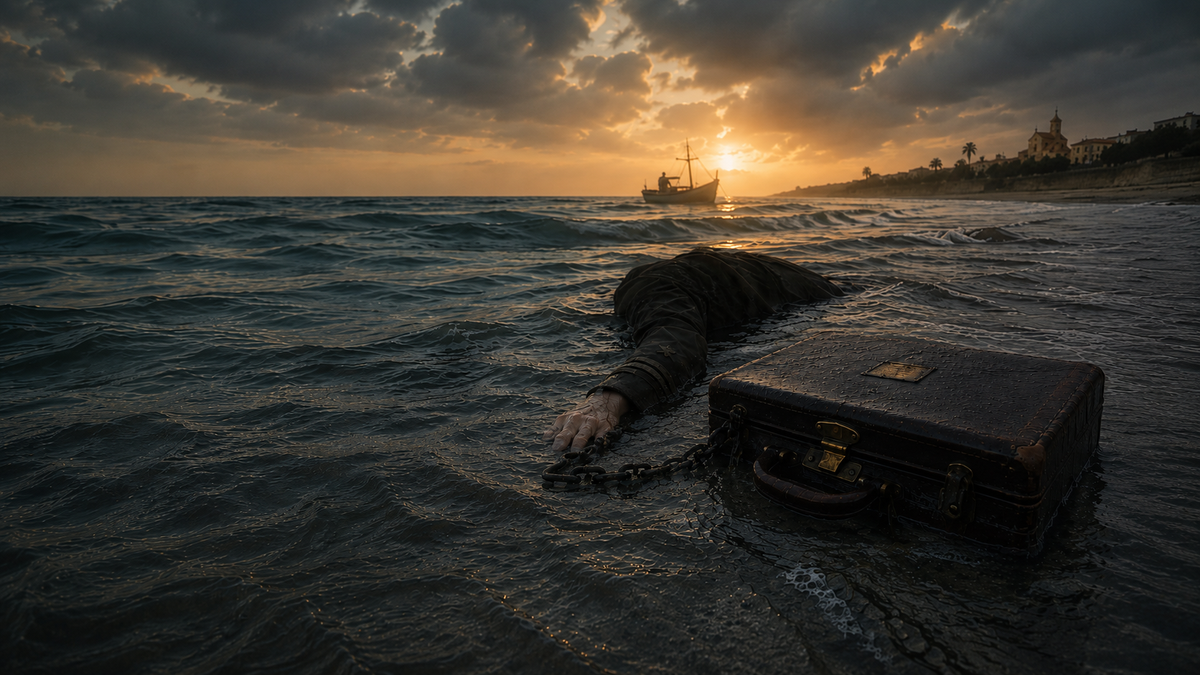
On the morning of April 30, 1943, a fisherman working off the coast near Huelva, in southwestern Spain, saw something limp drifting in from the Atlantic.
There was a body in the water.
The dead man was dressed as a British officer. He carried identification, personal effects, and a briefcase chained to his body. Inside were papers that appeared to reveal something of enormous value: with the Axis position in North Africa collapsing, the Allies were preparing to strike next at Greece and Sardinia. Sicily, the target everyone anticipated, appeared to be a diversion.
For German intelligence, it was the sort of discovery that seemed almost too fortunate: secret documents, a dead courier, a neutral country, and a war plan apparently recovered by accident from the sea. One could hardly ask for a better poker hand, except perhaps for the cards not to be wet.
There was, of course, one major problem.
The officer floating in the water never actually existed.
The British had fabricated Major William Martin of the Royal Marines. He had no childhood, no military career, no anxious family waiting for news of his safety. His identity card, letters, girlfriend, financial troubles, and romantic future had all been carefully created and curated for him. The papers in the briefcase were false. The accident delivering the corpse to the scene of discovery was a performance. Even the supposed drowning had been staged.
The body was real. The man was not.
This was Operation Mincemeat, one of the strangest and most successful deception operations of the Second World War: a British intelligence plot built around a corpse, a briefcase, forged documents, diplomatic theater, and the persuasive power of pocket litter. On paper, it sounds like the kind of idea proposed after the third martini in a club full of naval officers. In practice, the operation worked by exploiting something serious about trust: people may doubt an official government proclamation, but they lean toward evidence that comes with a photograph, an overdue bill, and a love letter folded by someone who seemed to mean it.
Sleight of Hand...
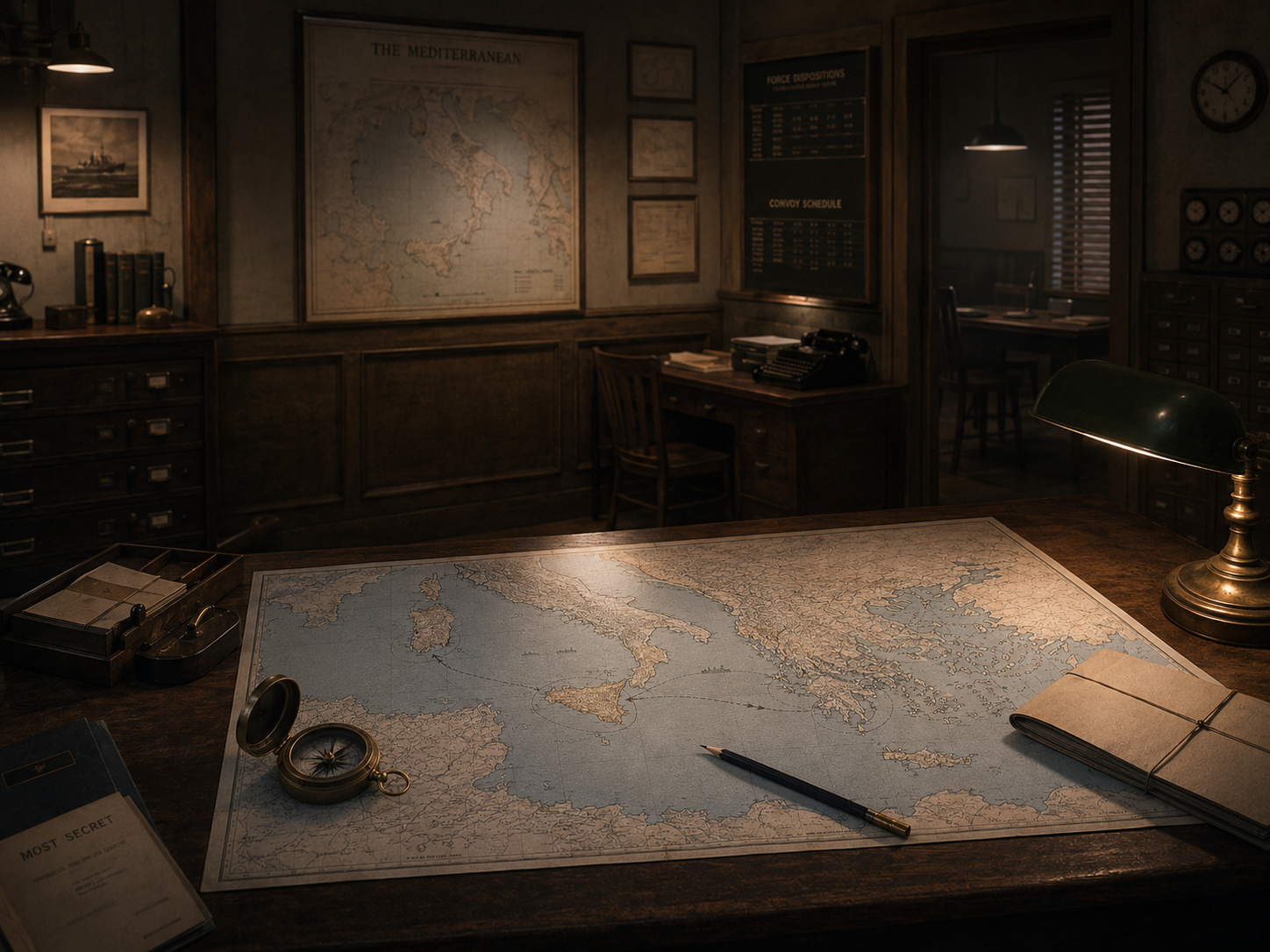
By the spring of 1943, Allied victory in North Africa was all but achieved. The next move would be to cross the Mediterranean and begin the long, costly business of fighting into Europe.
Sicily was the obvious target because it sat between North Africa and Italy, dominated the sea lanes, and offered a direct route into Mussolini’s weakening empire. It was so obvious that trying to hide it was a little like trying to conceal an elephant under a cocktail napkin: the effort itself became part of the problem.
That was the danger. If German and Italian planners read the map correctly and heavily reinforced Sicily, the invasion could become far bloodier. The Allies couldn’t count on enemy confusion or the flip of a coin. They needed Sicily to look like the obvious feint, not the real blow.
A denial would never be enough. The enemy had to feel he had found the truth himself. The secret couldn’t be delivered. It had to be discovered.
Propaganda pushes a story at the enemy. Deception leaves it where the enemy can pick it up, turn it over, and congratulate himself for finding it.
A Dead Courier...
The idea had been circulating in British intelligence before it became Operation Mincemeat. The famous Trout Memo, associated with Naval Intelligence and very likely drafted by Ian Fleming, the future creator of James Bond, compared deceiving the enemy to fly fishing. Among its suggested lures was an unpleasant little notion: let the enemy find a dead body carrying false papers.
It was not, as one might say in a peacetime committee, a charming proposal.